
Future of Social Commerce 2026: How Brands Are Turning Likes into Sales
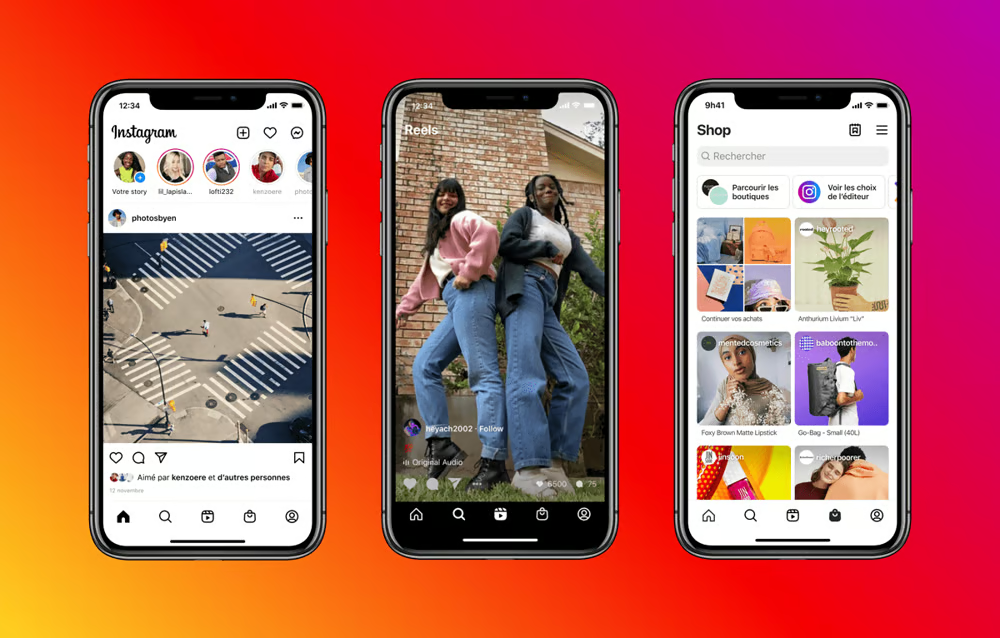
Future of Social Commerce 2026: How Brands Are Turning Likes into Sales
Social commerce is no longer just a trend — it’s becoming the core of digital retail. In 2026, consumers are discovering and purchasing products directly inside social media platforms without ever leaving the app. This shift is reshaping how brands approach marketing and sales.
Future of Social Commerce 2026: How Brands Are Turning Likes into Sales
The future of social commerce 2026 is redefining how consumers discover, evaluate, and purchase products online. What started as simple product promotions on social media has now evolved into full-scale digital storefronts inside apps. Today, shoppers no longer need to leave their favorite platforms to complete a purchase. Instead, they browse, compare, and buy directly within social media ecosystems.
As digital habits continue to evolve, brands are transforming likes, shares, and comments into measurable revenue. Social commerce is no longer optional — it is becoming the core of digital retail strategy.
Why the Future of Social Commerce 2026 Is Growing Rapidly
Social commerce is expanding at an incredible pace for several reasons.
1. Seamless In-App Shopping
Platforms like Instagram, TikTok, and Facebook now offer integrated shopping features. Users can:
-
Browse product catalogs
-
Watch live product demonstrations
-
Read reviews
-
Complete purchases in just a few taps
This frictionless buying experience significantly reduces drop-offs compared to traditional e-commerce websites.
2. Creator and Influencer Trust
Trust plays a major role in the future of social commerce 2026. Consumers are more likely to purchase products recommended by influencers, creators, or even friends. Authentic product reviews and user-generated content create credibility that traditional advertising cannot match.
3. Mobile-First Consumer Behavior
Most online shopping now happens on smartphones. Social media apps are optimized for mobile engagement, making impulse purchases faster and easier than ever.
How Brands Can Win in the Future of Social Commerce 2026
Brands that want to stay competitive must adapt their strategies. Simply posting product photos is no longer enough.
1. Focus on Authentic Storytelling
Modern consumers value transparency. Brands that share real stories, behind-the-scenes content, and customer experiences build stronger emotional connections.
2. Invest in Short-Form Video Marketing
Short-form videos dominate social feeds. Quick tutorials, product transformations, and “before-and-after” clips drive high engagement and conversions.
3. Host Live Shopping Events
Live shopping combines entertainment and instant purchasing. During live sessions, brands can:
-
Demonstrate products
-
Offer limited-time discounts
This creates urgency and boosts real-time sales.
4. Build Strong Community Engagement
Engaging with comments, reposting user content, and encouraging conversations builds brand loyalty. Community-driven brands often outperform purely promotional ones.
The Long-Term Impact on Digital Retail
The future of social commerce 2026 shows that social platforms are becoming full digital marketplaces. Businesses that adapt early will benefit from:
-
Higher engagement rates
-
Improved conversion rates
-
Stronger brand loyalty
-
Lower customer acquisition costs
Instead of relying on aggressive advertising, successful brands are focusing on value-driven content and relationship building.
Final Thoughts
The future of social commerce 2026 is centered around connection, convenience, and community. As consumers demand faster and more personalized shopping experiences, brands must shift from traditional selling tactics to immersive social shopping strategies.
Companies that embrace this evolution today will turn engagement into revenue — and likes into long-term customer relationships.