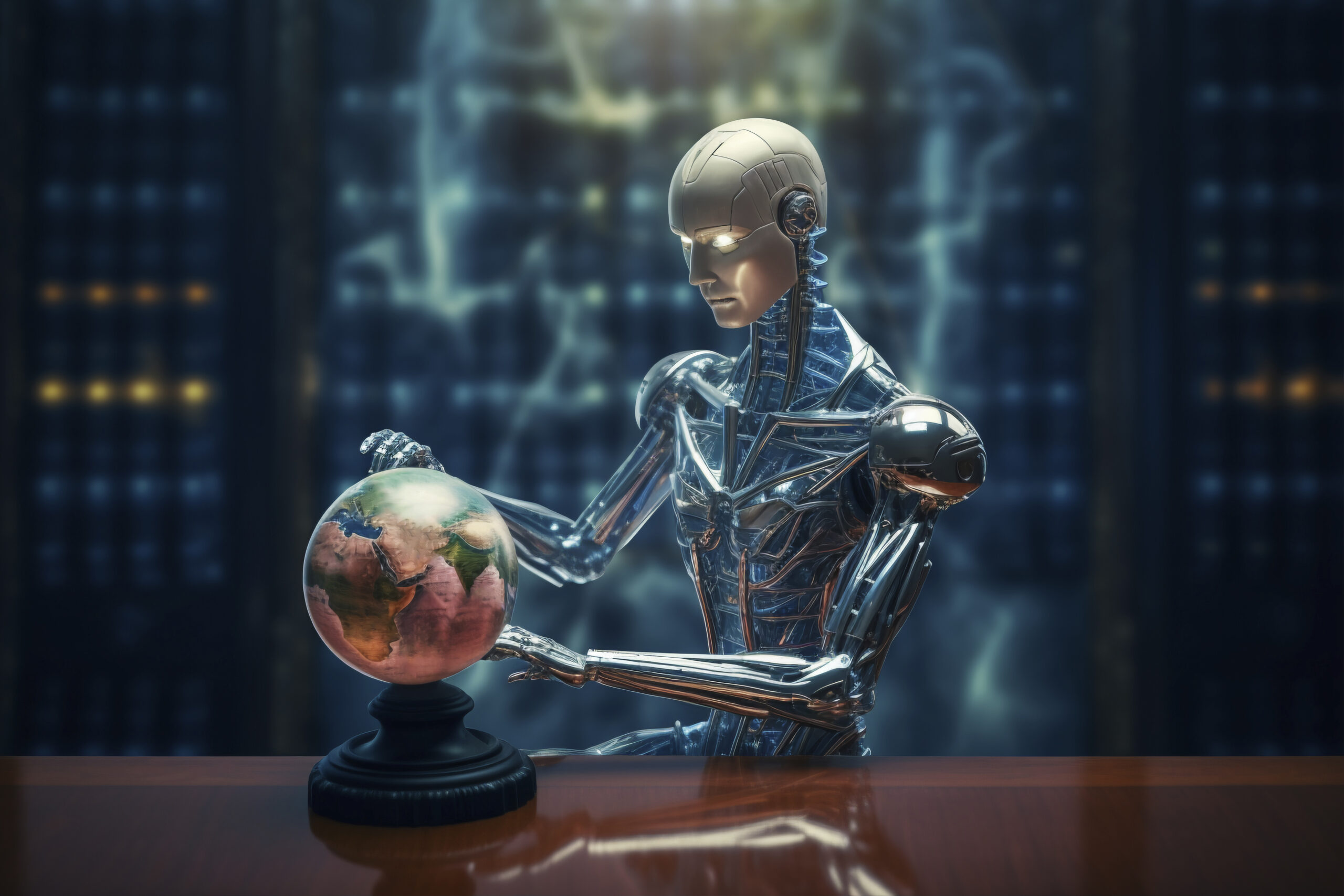
Technology is evolving faster than ever — but with massive innovation comes massive risk. Experts are warning that 2026 could become the most dangerous tech year 2026 has ever seen, as artificial intelligence, automation, cyber warfare, and digital manipulation reach unprecedented levels.
While breakthroughs are reshaping industries, the darker side of tech is expanding just as rapidly.
Let’s explore why 2026 may redefine global digital danger.
1. AI Has Become Too Powerful to Ignore
Since the explosive growth of generative AI tools like OpenAI and its flagship product ChatGPT, artificial intelligence has moved from experimental to mainstream.
In 2026, AI systems can:
-
Generate hyper-realistic deepfake videos
-
Automate phishing attacks
-
Write malware code
-
Manipulate public opinion
AI is no longer just assisting humans — it’s making decisions, executing strategies, and influencing societies at scale.
The concern? Regulation is moving slower than innovation.
2. Cybercrime Is More Advanced Than Ever
Cybercriminals now use AI to:
-
Launch automated ransomware campaigns
-
Crack passwords faster
-
Create undetectable scam emails
-
Clone voices and identities
In 2026, cyber warfare is no longer limited to criminals. Nation-state attacks are increasing, targeting:
-
Power grids
-
Banking systems
-
Healthcare networks
-
Defense infrastructures
A single coordinated attack could disrupt entire economies.
3. Deepfakes & Digital Manipulation Are Destroying Trust
Deepfake technology has become so advanced that even experts struggle to detect fake content.
In 2026:
-
Fake political speeches can go viral in minutes
-
Corporate fraud can be executed using voice clones
-
Reputation damage can happen overnight
When people can’t distinguish between real and fake, truth becomes the biggest casualty.
4. Data Privacy Is Almost Non-Existent
From smart homes to wearable devices, everything collects data.
Tech giants and startups alike gather:
-
Biometric data
-
Location tracking
-
Behavioral patterns
-
Personal conversations
Without strict global regulations, user data is becoming the new digital weapon.
5. Automation Is Replacing Jobs at Record Speed
AI and robotics are rapidly automating:
-
Customer service
-
Manufacturing
-
Content creation
-
Financial analysis
While innovation creates new opportunities, millions of jobs are at risk. Economic instability could increase social tensions worldwide.
6. Global Tech Regulation Is Fragmented
Different countries follow different rules. Some restrict AI development, while others push forward aggressively.
This imbalance creates:
-
AI arms races
-
Regulatory loopholes
-
Ethical gray zones
-
Competitive instability
Without international cooperation, technology may outpace human control.
So, Is 2026 Really the Most Dangerous Tech Year?
2026 isn’t dangerous because technology is bad.
It’s dangerous because:
✔️ Innovation is accelerating
✔️ Security is struggling to keep up
✔️ Regulation is lagging
✔️ Trust in digital content is declining
We are entering a phase where technology shapes reality itself.
How to Stay Safe in 2026
-
Use strong cybersecurity practices
-
Enable multi-factor authentication
-
Verify digital content before sharing
-
Invest in AI literacy
-
Stay updated on tech regulations
Prepared users are powerful users.
In Conclusion :
The same tools that threaten global security can also solve climate change, improve healthcare, and revolutionize education.
The future isn’t about stopping technology — it’s about controlling it responsibly.